UK Strategy Sets Net Zero Goal for Antarctic Polar Science by 2040
16th December 2025
The UK Government has published its UK Antarctic Strategy to 2035, setting out the aim to achieve net zero across Antarctic scientific operations by 2040 whilst maintaining Britain’s world-leading position in polar research.
The strategy, released by the Foreign, Commonwealth & Development Office, places climate science and environmental sustainability at the heart of UK activities in Antarctica. Through the Antarctic Infrastructure Modernisation Programme, the UK will decarbonise Antarctic research stations by 2030, with full net zero operations by 2040.
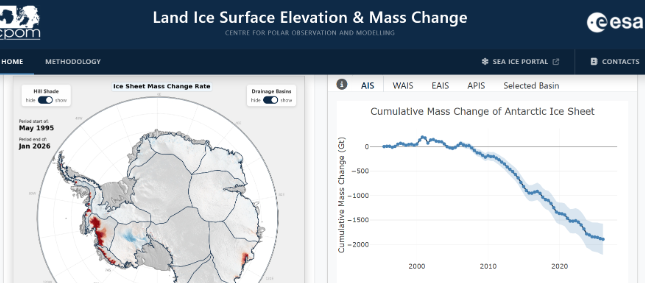
The UK Centre for Polar Observation and Modelling (CPOM) welcomes this comprehensive approach, which demonstrates how climate research and environmental stewardship can be integrated. CPOM’s work in polar observation and ice sheet modelling directly supports the strategy’s ambition to understand changes in Antarctica as an indicator of climate change whilst minimising the environmental footprint of research activities.
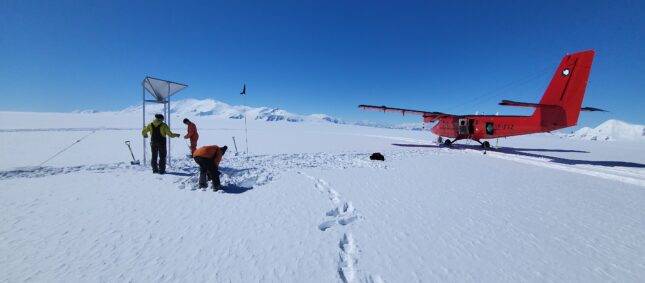
Britain commits to maintaining year-round research operations through the British Antarctic Survey, with continued investment in sustainable infrastructure at stations like Rothera. UK Antarctic science will continue to inform global climate policy and the Intergovernmental Panel on Climate Change’s assessments, with British scientists making internationally recognised contributions to research on ice sheet stability, sea level change, and climate tipping points.
Environmental protection features prominently, with plans to expand marine protected areas, implement biosecurity protocols against invasive species, and designate vulnerable species for protection, including emperor penguins. The strategy also strengthens the Antarctic Treaty System and develops frameworks for managing growing tourism whilst preserving Antarctic heritage.
This commitment to net zero polar science aligns with initiatives such as the Net Zero Polar Science Doctoral Training Programme, which is currently recruiting its first cohort of researchers to advance sustainable practices in polar research.